

Life in Härjedalen
Härjedalen is one of Sweden’s most sparsely populated areas, where everyday life is shaped by mountains, forests, lots of lakes and wide open spaces. It’s a place where nature is always close, the rhythm of life often follows the seasons, and people tend to know their neighbours. For many, living here means more space, quietness, a stronger connection to the surroundings, and a community small enough to feel part of.
Key facts
Population
10 061 (2026)
Area
11 980 km²
median age
47 years
Avg. house price
1,1 msek
Companies
2 376
Mountain tops
40+
Locations in Härjedalens Municipality
Härjedalen includes several towns and villages spread across a large area. Places like Sveg, Funäsdalen, Hede, Vemdalen, Ytterhogdal, Lillhärdal and Lofsdalen all serve different roles in everyday life, from local services to tourism and mountain access. Some places are closely connected to the mountains and seasonal flows, while others offer more year-round structure and services.

What is it like to live here?
Life in Härjedalen moves at its own pace. You’re close to nature in a very direct way, and a day can start with frost on the window and end with a ski run before dinner. Many describe being back home just ten minutes after finishing work. At the same time, distances between towns are real, and getting to specialist services, bigger shops or an evening event sometimes takes planning. What people who live here often point to isn’t what’s missing, but what’s close: neighbours who know each other, a slower rhythm, and everyday life built around the outdoors. It’s a place that suits those who value that kind of closeness and are willing to plan a little more for the rest.

Jobs and careeer opportunities
The largest employers in Härjedalen are the municipality, healthcare and elderly care, and the forestry industry, together forming the backbone of year round work. Tourism adds another layer on top of that, especially in mountain areas like Lofsdalen, Vemdalen and Funäsdalen, where seasonal work and international visitors are part of everyday life for parts of the year.
Alongside the larger employers, Härjedalen has a strong culture of small business and entrepreneurship, ranking among the top 10 municipalities in Sweden for the share of entrepreneurs per capita. Many residents run their own companies or work for one of the many small, local businesses that shape everyday life here.
Härjedalen is part of a region actively recruiting healthcare staff, IT specialists and engineers, but locally it’s healthcare workers who are in the greatest demand. Nurses, care staff, dentists and other health professionals will find more opportunities here than in large scale IT or industrial recruitment.
Tourism and nature-based
A mix of year round roles, seasonal tourism work, and running your own business
Key employers
Municipality, ski resorts, tourism and forestry.
Work life
Seasonal variation and close connection to nature
Finding your way into work
Opportunities vary depending on the season, your skills and your flexibility. Tourism creates many entry points, particularly in hospitality, services and outdoor related work. Healthcare, dental care and optometry stand out as sectors actively looking for people: the health centres in Sveg, Funäsdalen and Hede, together with their branches, regularly need doctors, nurses, dentists and opticians. In other sectors, finding the right role may take more time, local contacts or a willingness to combine different types of work. Remote work is also part of the picture.
Useful links
Community and services
Life in Härjedalen is shaped by both independence and community. Many describe knowing their neighbours, running into people they know at the local shop, and being part of a community small enough that things get noticed and solved together. The municipality provides essential services such as schools, healthcare and shops across a good number of towns and villages, with extra health centre branches opening at the ski resorts each winter. The very smallest places still often share resources with their neighbours.



Getting around
Sveg has daily flight connections to Stockholm, and the Inlandsbanan-train together with regional buses link the municipality’s towns and villages. The bus network isn’t dense, though, and timetables can affect how easy it is to get around, especially outside the biggest towns and outside the ski season. Many households find a car useful for everyday life.
for kids
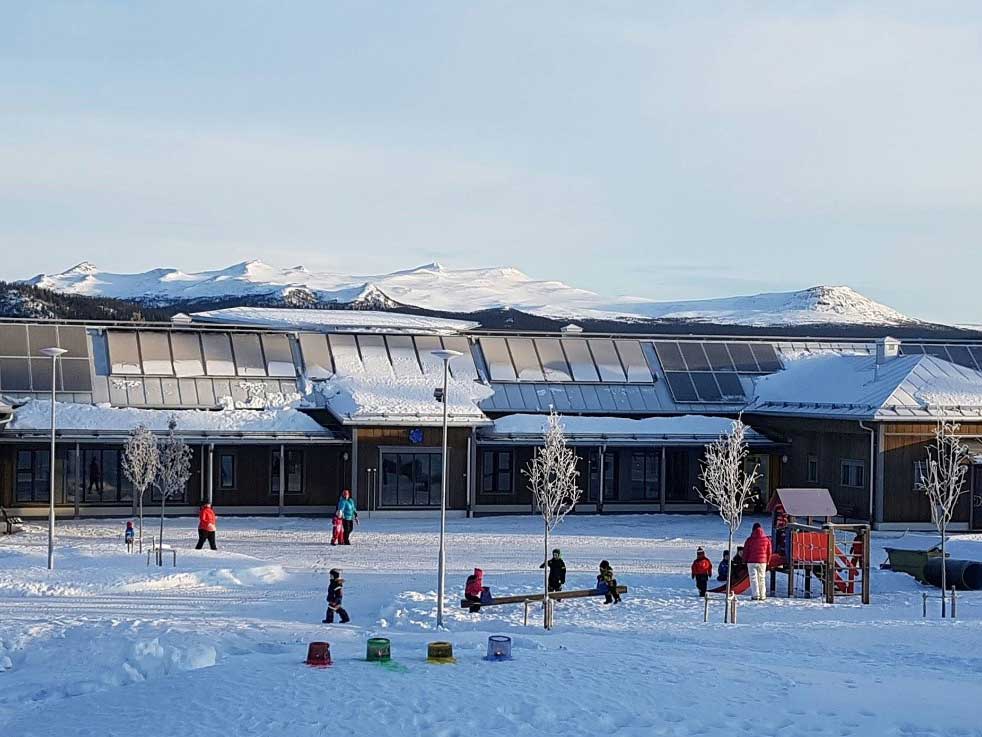
Schools and preschools are spread across most of the municipality’s towns and villages, often in smaller units with closer contact between students and teachers, though with fewer options than in larger municipalities. Many schools build on the region’s strengths in nature and outdoor life. In Funäsdalen, the school and its ski lift are close enough that pupils can ski right into the schoolyard.
for health
Healthcare runs through three larger health centres, in Sveg, Funäsdalen and Hede, together with year round branches in Vemdalen and Lillhärdal, plus additional branches that open in Ramundberget, Vemdalsskalet and Lofsdalen during the winter season. More specialised care is available regionally, and travel time depends on distance.
for fun
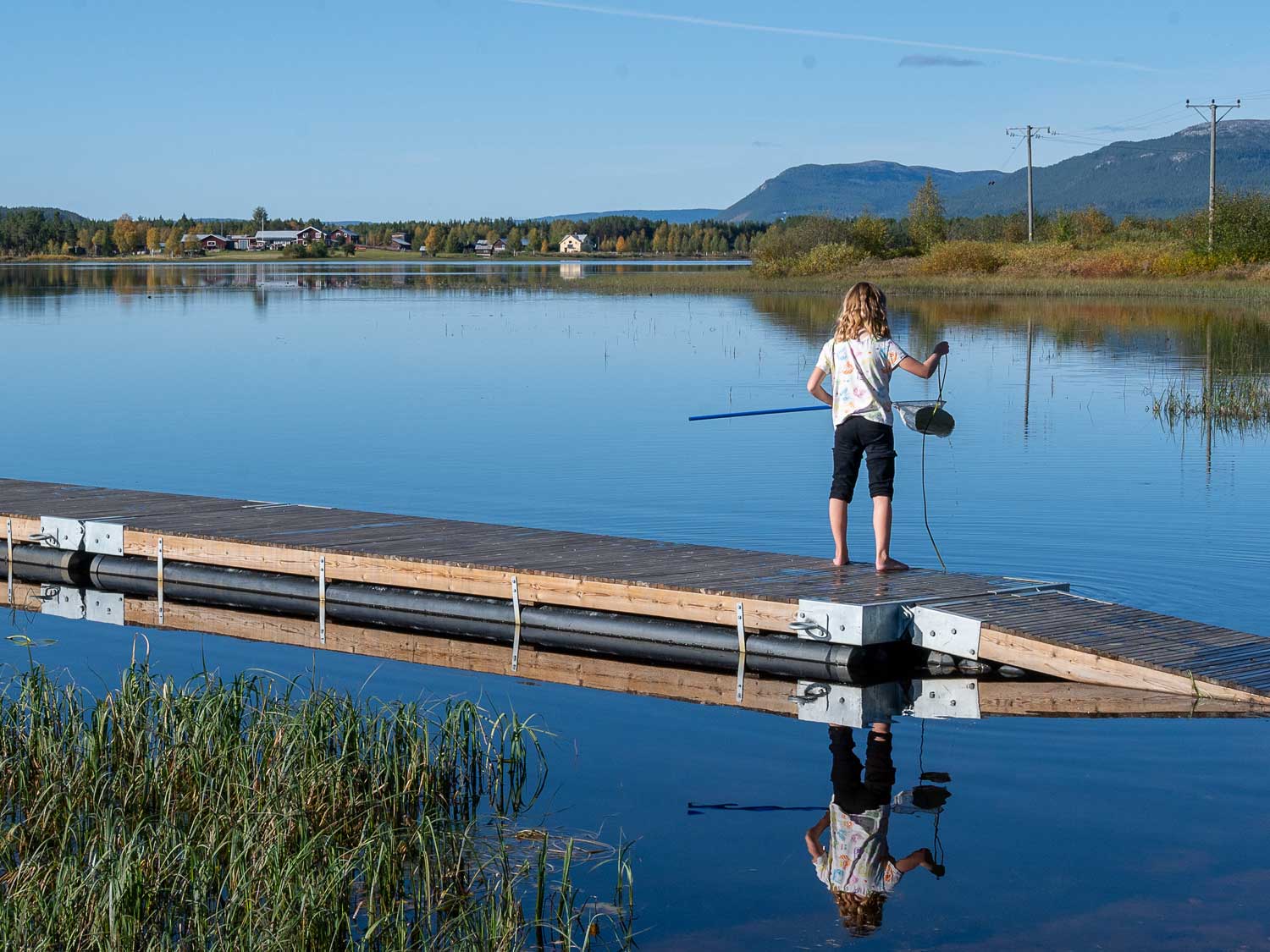
Outdoor life is a natural part of everyday life, with skiing, hiking and fishing all close at hand, alongside smaller community driven activities and events. Residents describe a strong sense of safety and community here.
You may not have everything nearby, and everyday life can require planning, especially when it comes to travel and services. But many people value the trade off: space, strong local connections and a lifestyle where nature is part of daily life.
Could this be your place?
Talk to someone who knows Härjedalen. Ask what you’re curious about and get a clearer picture of everyday life here.

